⭐ 5-Star Rated on Google
🛡️B2 Licensed & Insured — #1139813
👨👩👦 Family Owned & Operated
🇫🇷 11 Years European Training
One Is Warm. One Is Industrial. Both Are Trending. Only One Is Right for Your Wall.
Roman clay and microcement both show up when you search "textured wall finishes." Both look beautiful in photos. And both will set you back a meaningful amount of money. But they produce completely different results, feel completely different under your hand, and belong in completely different rooms.
If you pick the wrong one, you are living with it for a long time. So here is the honest breakdown.
What Is Roman Clay?
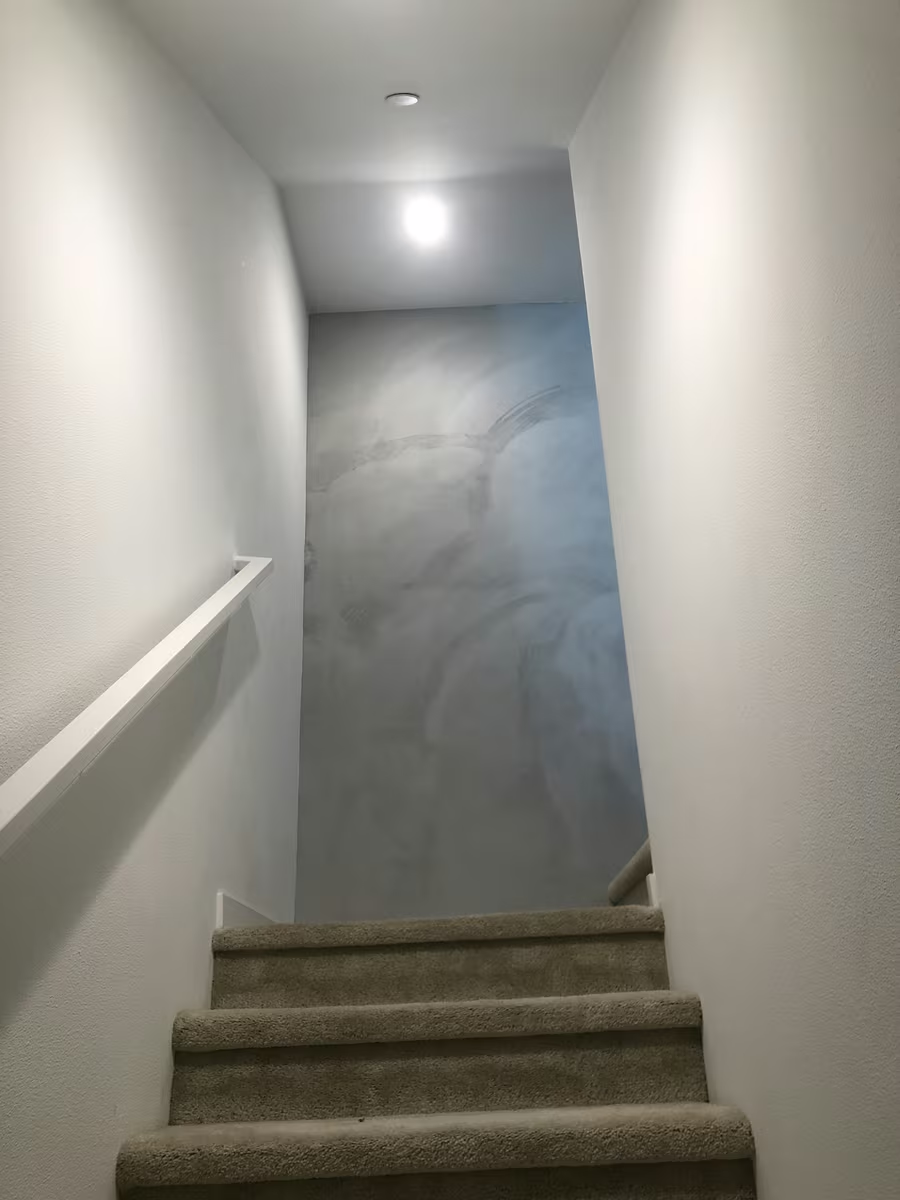
Roman clay is a plaster-paint hybrid made from natural minerals. It is applied with a trowel or putty knife in 2 to 3 thin, overlapping strokes. The result is a soft, velvety, low sheen surface with subtle movement and depth.
It is warmer and more organic than standard paint. It reads as "textured and intentional" without being dramatic. Think cozy bedroom, quiet living room, or a dining room that feels like a European bistro.
Roman clay is a wall finish only. It is not designed for floors, countertops, or wet areas.
What Is Microcement?
Microcement is a polymer modified cement coating applied in thin layers and sealed with resin. It creates a seamless, industrial, concrete-like surface that is waterproof, extremely durable, and can go on walls, floors, countertops, showers, and exterior surfaces.
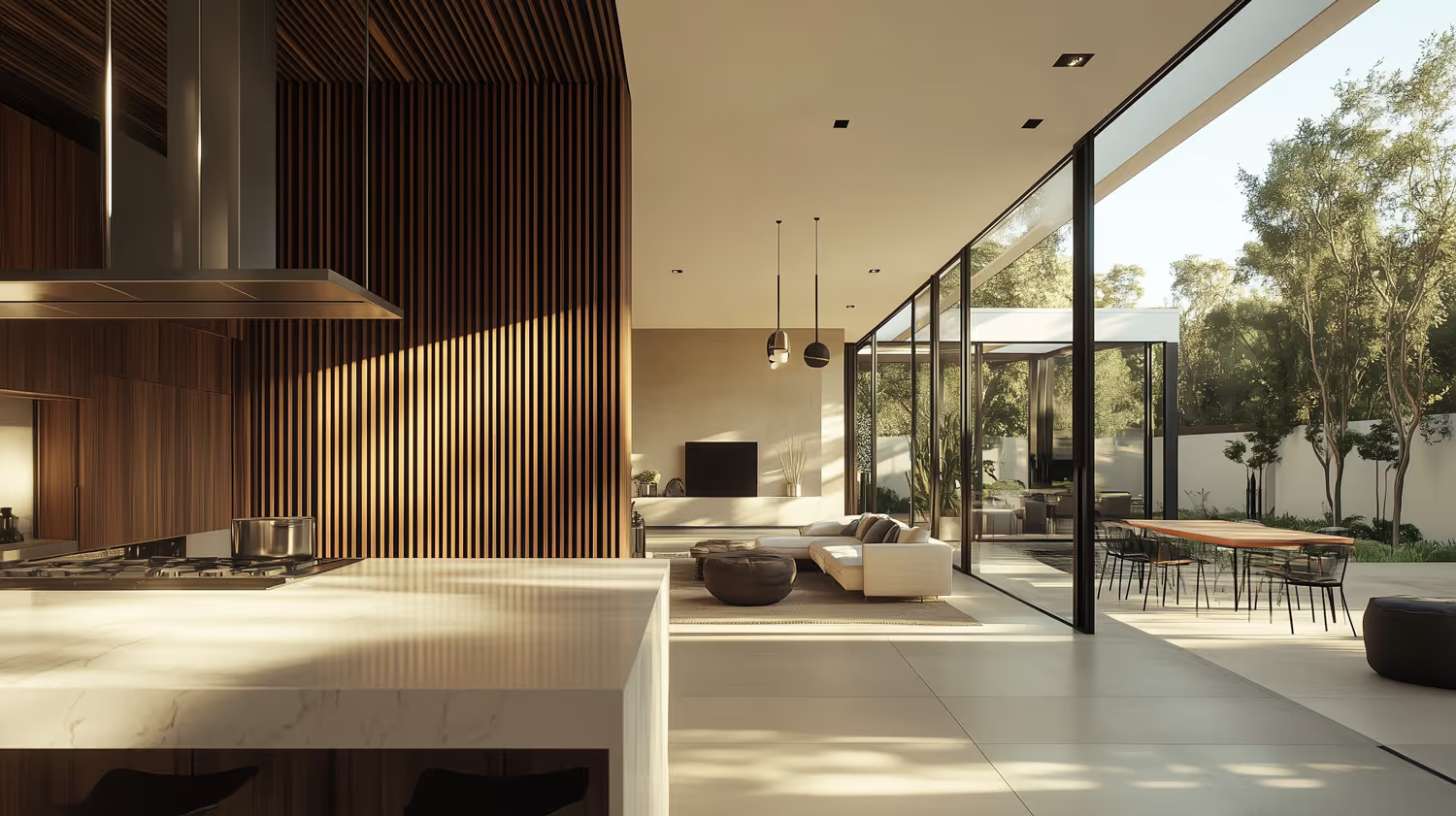
The look is modern, minimal, and cool toned. It reads as "architectural and clean." Think loft conversion, modern bathroom, open plan kitchen, or a spa shower with no grout lines.
Microcement requires serious substrate prep and multiple sealing coats. The application process is longer and more technical than Roman clay.
The Look
Roman clay is warm. It has soft tonal variation, a velvety texture, and a matte to low sheen finish. It invites you to touch it. It works with wood, linen, and warm metals.
Microcement is cool. It has a smooth, concrete-like appearance with minimal variation. It reads as industrial and modern. It works with steel, glass, and minimalist furniture.
If your home is warm and layered, Roman clay. If your home is clean and minimal, microcement.
Cost in Orange County
- Roman clay: $6 to $14 per square foot
- Microcement: $10 to $25 per square foot
Microcement costs more because of the sealing process, substrate requirements, and longer application time. Both are premium finishes. Neither is a budget alternative to paint.
Durability
Roman clay lasts 15+ years on interior walls. It is softer than microcement and can scuff in high traffic areas. Not suited for wet environments.
Microcement is extremely durable when properly sealed. It handles water, foot traffic, heat, and daily use. It can last 20+ years in wet areas when maintained.
Where Each Belongs
Roman clay: bedrooms, living rooms, accent walls, dining rooms, offices. Anywhere you want warmth and texture on walls.
Microcement: bathrooms, showers, kitchens, floors, countertops, outdoor areas. Anywhere you need a seamless, waterproof surface.
They are not competing finishes. They solve different problems in different rooms. Some homes use both.
See accent wall options | Fireplace feature walls
Which Should You Choose?
- Want warmth and texture on a wall? Roman clay.
- Want seamless, waterproof, industrial? Microcement.
- Want a bathroom feature? Microcement.
- Want a bedroom accent? Roman clay.
Schedule a free consultation and we will help you choose the right finish for your space.
Read the full guide: Limewash vs Venetian Plaster